
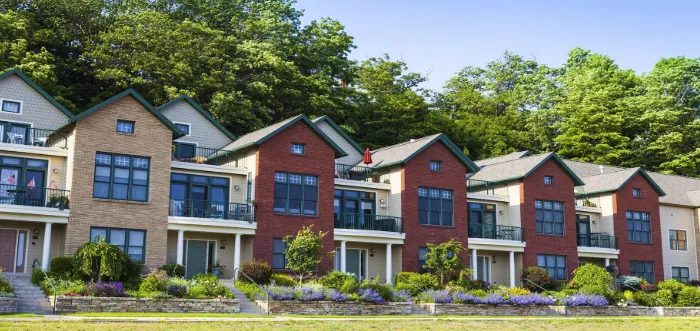
Rental property flooring should balance durability, appearance, maintenance, and replacement cost rather than simply choosing the cheapest material. Luxury vinyl plank is often the strongest all-purpose option because it handles extremely well on everyday traffic, resists moisture, and can be cleaned or repaired between tenants with minimal disruption. Carpet may still suit bedrooms where warmth and noise control matters. While tile can also be very practical in wet areas or hot climates. The right choice depends on tenant profile, pets, room use, quality, and expected cost of budgets, but one overlooked detail can determine whether a floor lasts for years or fails after the first lease.
What Is the Best Floor Recommendation for Most Rental Properties?
Why LVT and SPC Usually Lead?
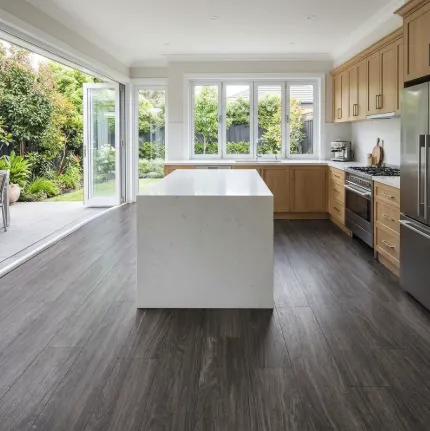
For most rental properties, luxury vinyl tiles (LVT) and rigid core vinyl (SPC) floorings is the first product that comes in mind. It offers the best balance of durability, appearance, water resistance, and manageable replacement costs. Both LVT and SPC can imitates a wide range of materials including wood flooring, stone tiles or even carpets. As such, both types of flooring can easily create a consistent fine look across kitchens, living areas, hallways, and bedrooms without the moisture sensitivity of many wood-based flooring.
The main advantage for landlords is practical rather than cosmetic need. Quality vinyl flooring is easy to sweep and mop, does not require refinishing, and allows individual planks or tiles to be replaced when damage is limited to one area. That can reduce the need to remove an entire room’s flooring between tenants. Water-resistant flooring is also particularly useful in kitchens, bathrooms, entryways, laundry areas, and utility rooms, where spills and tracked-in moisture are common.
However, LVT and SPC is not automatically the best choice in every situation. Carpet may provide better warmth and sound absorption in bedrooms, while tile can be more suitable for high-moisture areas or properties with a premium finish. Still, for a typical apartment, single-family rental, or small multifamily unit, well-installed vinyl flooring is considered highly practical and budget friendly for rental properties.
LVT & SPC Specifications Designed for Rental Flooring
Aesthetics does matter, but what is more important is the durability of flooring that are meant to last across changing tenants. Here are some tips that help to decided what type of specifications should be chosen for LVT or SPC flooring. In generally rule of thumb, selecting a vinyl flooring with thicker wear layer, and thicker thickness can get along with improving dimensional stability. However, the thicker the core and wear layer, the more costly the vinyl flooring becomes. In essence, select a thicker wear layer with chemical resistance performance can keep the flooring more long lasting.
Recommended Specifications for different thickness of LVT & SPC Flooring
| Type of Vinyl Flooring | Core Thickness / Wear Layer Thickness | Comment |
|---|---|---|
| Dry Back LVT | 2.0mm / 0.3mm | 0.3mm wear layer is used as it does not cause imbalance with the core layer. |
| Dry Back LVT | 2.5mm / 0.5mm | 0.5mm thickness provide sufficient protection for most residential use. |
| Loose Lay LVT | 4.0mm / 0.5mm | |
| Click SPC | 5.0mm / 0.5mm | With click SPC, the core is recommended to go around 5.0mm for more durability in both dimensional stability and click locking strength. |
Why Vinyl Flooring meets the Functional Needs in Rental Properties
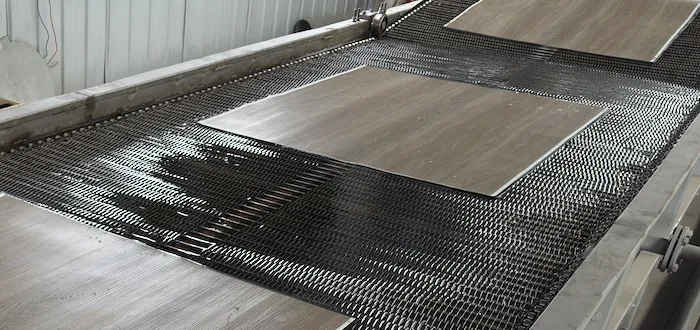
- Water-resistant, with waterproof construction where the room and product justify it
- Suitable for residential or light-commercial traffic
- Easy to clean without specialized treatments
- Available in replacement planks or tiles
- Compatible with the existing subfloor and transition heights
- Certified as low-emitting when indoor air quality is a concern
Modern vinyl flooring are very safe when it is made from virgin compositions. Both PVC polymers and calcium carbonate powders are considered highly safe materials to be used for interiors. However, when installing, paying attention to the adhesives (if needed for installation) is essential. Low quality glue can emit formaldehyde. As a precaution, give the room a good ventilation after installation is also sensible, especially when new materials or adhesives produce noticeable odours.
Features That Matter in Rental Property Flooring
Durability and Water Resistance
Rental flooring must withstand more than normal foot traffic. Moving furniture, pet claws, spills, rolling chairs, grit carried through entryways, and repeated cleaning can quickly expose weaknesses in a low-quality product. Look for flooring with a wear layer and finish appropriate for the expected traffic, especially in hallways, kitchens, living rooms, and entryways.
Water resistance is equally important. Kitchens, bathrooms, laundry areas, and ground-floor entryways are exposed to spills and tracked-in moisture, so flooring in these locations should not absorb water easily or deteriorate when cleaned regularly. Water-resistant LVP and LVT are common choices because they provide a hard, sealed surface without the maintenance demands of natural wood. However, water resistance does not protect an improperly prepared subfloor or prevent damage from standing water. Leaks still need to be addressed promptly.
Maintenance, Repairs, and Turnover
The best rental flooring is simple for both tenants and property managers to maintain. Smooth, nonporous surfaces can usually be swept, vacuumed, and damp-mopped without specialized products. Avoid materials that require regular refinishing, polishing, sealing, or delicate cleaning procedures unless the property’s rental income justifies the added upkeep.
Repairability also affects long-term cost. Plank and tile systems are useful when a damaged section can be removed and replaced without disturbing the entire room. Keep spare flooring from each installation, since matching a discontinued color several years later may be difficult. During turnover, flooring that needs only cleaning and minor repairs can shorten the preparation period and help reduce vacancy time.
Tenant Appeal, Comfort, and Indoor Air Quality
Tenants typically care about how flooring looks, feels, sounds, and performs in daily use. Wood-look vinyl can provide a clean, updated appearance, while carpet may feel warmer and reduce reflected noise in bedrooms. Hard flooring can be paired with area rugs when additional comfort or sound absorption is needed.
Indoor air quality should also be part of the selection process. Choose flooring, adhesives, underlayments, and carpet products with low-emission certifications where available. The EPA’s Indoor AirPlus guidance identifies low-emitting building materials as one way to help reduce indoor pollutant sources. Ventilating the property after installation and following the manufacturer’s adhesive and cleaning instructions can further improve the move-in experience.
Carpet and Laminate for Specific Uses
Carpet is usually best suited to bedrooms, upper-floor living spaces, and rentals where comfort and noise control are priorities. It feels warmer underfoot and can reduce impact noise between rooms or floors, which may be especially helpful in apartments and other multifamily properties. The trade-off is that carpet can show stains and wear more readily in entryways, kitchens, and homes, especially when there is pets in the house. Regular vacuuming, prompt stain treatment, and periodic professional cleaning are important for preserving its appearance.
Laminate can offer an attractive wood-look floor at a lower initial cost than hardwood products. It is often suitable for dry living areas, dining rooms, and bedrooms when the product has an appropriate durability rating and the subfloor is properly prepared. Standard laminate remains more vulnerable to moisture at seams and edges than many vinyl products, although newer water-resistant and “waterproof” versions have expanded its potential uses. It is generally less forgiving of prolonged leaks, standing water, or repeated moisture exposure.
Best Floor Recommendation by Rental Scenario
Best Overall and Best for High-Traffic Areas
For most rental properties, LVT is the best overall floor recommendation. It offers a durable, easy-to-clean surface with strong resistance to everyday spills and wear. Its plank format also makes localized repairs more manageable than replacing an entire room. Use a product with specifications suited to the expected traffic, and do not overlook subfloor preparation or installation quality.
LVT is particularly useful in entryways, hallways, living rooms, kitchens, and other areas that receive frequent foot traffic. Medium-toned wood-look patterns can help disguise dust and minor scuffs better than very dark or highly glossy finishes. In heavy-use rentals, keep spare planks from the original installation so future repairs have a better chance of matching.
Best for Wet Areas and Humid Climates
For bathrooms, kitchens, laundry rooms, entryways, and humid climates, choose water-resistant or waterproof hard-surface flooring. LVT, SPC, Ceramic tile, or Porcelain tile are common options for these wet prolonged areas. Note that LVT or SPC is usually easier and faster to install, while tile may need a professional specialist to help to install them.
Flooring alone cannot correct leaks, condensation, or a damp subfloor. Before installation, address plumbing problems, confirm the subfloor is dry, and follow the manufacturer’s moisture requirements. EPA Indoor airPLUS guidance also emphasizes water-resistant flooring in areas where moisture or splash damage is likely and moisture control that helps limit mold risk.
Best for Bedrooms, Noise Control, and Premium Rentals
Carpet is often the best choice for bedrooms and noise-sensitive upper-floor units. Carpet and an appropriate cushion can make rooms feel warmer and help absorb footfall and airborne sound. Choose a durable, low-maintenance style, especially in rentals that allow pets or experience frequent turnover. The Carpet and Rug Institute notes that cushion selection affects carpet performance, appearance, and longevity.
For premium rentals, engineered wood, quality LVT, large-format tile, or carefully selected carpet may be appropriate depending on the property’s design and tenant expectations. Premium flooring works best when paired with professional installation, well-finished transitions, and a maintenance plan. In every scenario, prioritize low-emission materials and keep the flooring choice consistent with the room’s moisture, traffic, and noise requirements.
Summary on Benefits and Advantages of LVT and SPC Flooring for Rental Properties
Overall, there are major benefits and advantages of using LVT or SPC flooring for rental properties. As both LVT and SPC flooring are some of the most inexpensive flooring options, it is budget friendly to replace and renovate. The durability of the surface also only needed very minimal maintenance, and as a hard surface flooring, does not collect dusts, a major factor for allergy. For these reason, it is also why LVT and SPC market sales has exceeded the carpets in recent years.