
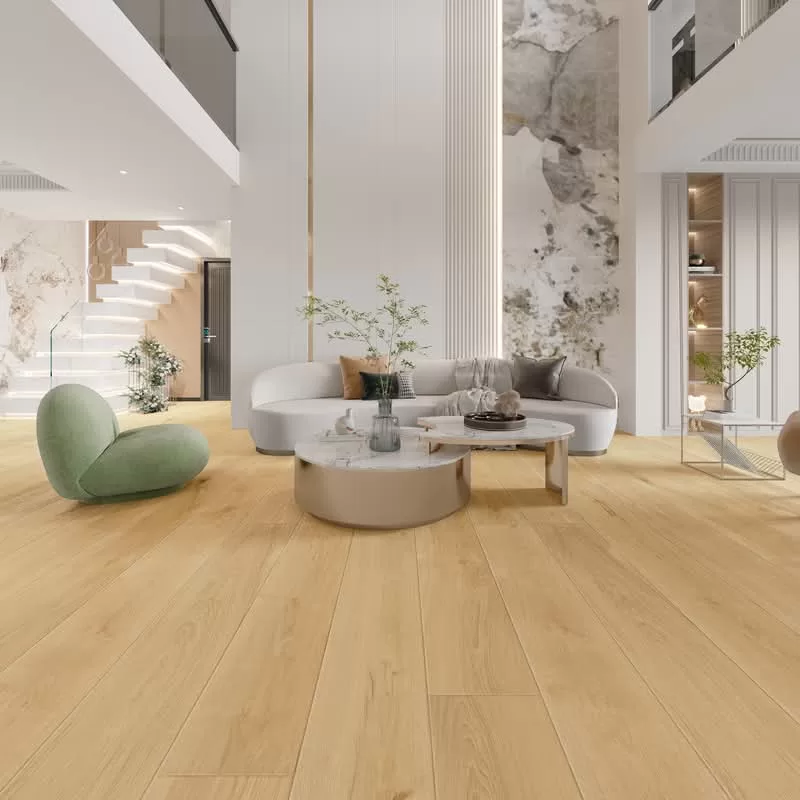
Resilient vinyl flooring is a versatile and popular type of flooring known for its durability, affordability, and aesthetic versatility. It is a synthetic flooring material made primarily of vinyl, a type of plastic. Resilient vinyl flooring is designed to mimic the look and feel of natural materials, such as stone, ceramic, or wood, while offering superior performance and ease of maintenance. It is an excellent choice for high-traffic areas and commercial applications due to its resistance to wear, stains, and moistures.
Resilient Vinyl Flooring
Key Features and Benefits
- Durability: Resilient vinyl flooring is highly durable and resistant to scratches, dents, and wear. It is an excellent choice for high-traffic areas and can withstand heavy use without showing signs of wear and tear.
- Water Resistance: Resilient vinyl flooring is water-resistant, making it an ideal choice for areas prone to moisture, such as kitchens, bathrooms, and basements. Some varieties are even waterproof, providing added protection against spills and leaks.
- Ease of Maintenance: Resilient vinyl flooring is easy to clean and maintain. It can be swept, vacuumed, or mopped with a damp cloth, and it does not require special cleaning products or treatments.
- Affordability: Resilient vinyl flooring is generally more affordable than natural flooring materials, such as hardwood or stone, making it a cost-effective option for homeowners and businesses.
- Aesthetic Versatility: Resilient vinyl flooring comes in a wide variety of colors, patterns, and textures, allowing it to mimic the appearance of natural materials or create a unique, modern look. Luxury Vinyl Tile (LVT) and Luxury Vinyl Plank (LVP) are popular options that offer the look of wood or stone with the added benefits of vinyl.
- Comfort: Resilient vinyl flooring is softer and warmer underfoot than many natural flooring materials, providing added comfort for standing or walking.
- Safety: Some resilient vinyl flooring options have anti-slip properties, reducing the risk of slips and falls. Vinyl flooring having undulations of at least a certain thickness formed on a PVC surface layer, which is the uppermost layer of the flooring, can effectively prevent slips and have dimensional stability.
Types of Resilient Vinyl Flooring
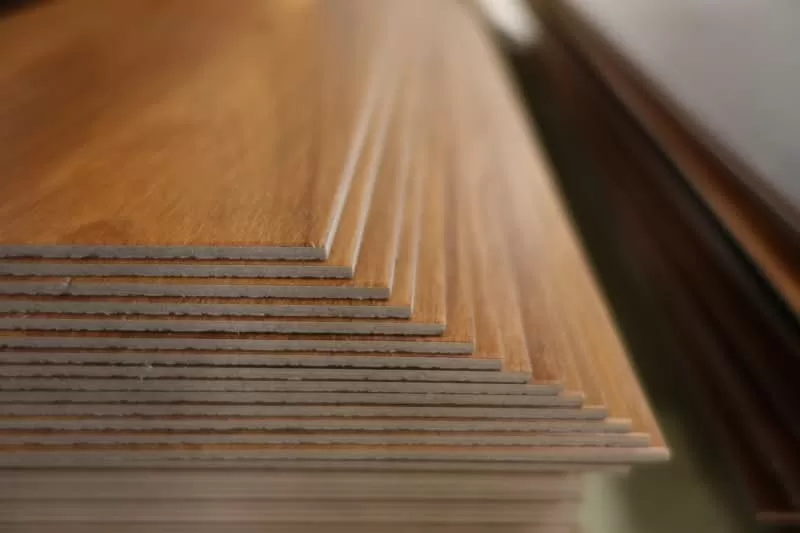
- Vinyl Composition Tile (VCT): VCT is one of the most widely used resilient flooring materials in commercial interiors, with a smaller amount being used residentially. It is made of vinyl, limestone, and other bits of material, providing a durable and affordable option.
- Luxury Vinyl Tile (LVT): LVT is a high-end type of resilient vinyl flooring that offers a more realistic and sophisticated look than traditional vinyl tile. It is often used to mimic the appearance of natural stone or wood.
- Luxury Vinyl Plank (LVP): LVP is similar to LVT but is designed to resemble hardwood planks. It offers the same benefits as LVT but with a plank-like shape.
- Stone Polymer Composition (SPC): SPC is a rigid form of LVT products. With improved rigidity, SPC flooring planks are highly durable with improved dimensional stability and curling performance.
- Wood Polymer Composition (WPC): WPC is a premium type of resilient flooring. It is generally made with a hybrid plank structure that combines LVT layer with WPC layer. WPC core is made of foamed PVC composition and does not contain wood fiber.
- Sheet Vinyl: Sheet vinyl is a type of resilient vinyl flooring that comes in large, continuous rolls. It is ideal for covering large areas and can be cut to fit the specific dimensions of a room.
- Plank Vinyl: Plank vinyl is a type of resilient vinyl flooring that comes in individual planks, similar to hardwood flooring. It is easy to install and can be arranged in various patterns.
Installation Methods
Resilient vinyl flooring can be installed in several ways, depending on the type and the specific product:
- Glue-Down: The glue-down method involves applying adhesive to the subfloor and then laying the vinyl flooring on top. This method provides a secure and stable installation.
- Click-Lock: The click-lock method involves interlocking the edges of the vinyl planks or tiles, creating a floating floor that is not directly adhered to the subfloor. This method is easy to install and allows for easy removal and replacement of individual pieces.
- Loose-Lay: The loose-lay method involves simply laying the vinyl flooring over the subfloor without any adhesives or fasteners. This method is the easiest to install and allows for easy removal and replacement.
Maintenance:
Resilient vinyl floorings are extremely easy to maintain, requiring only regular sweeping, vacuuming, or mopping with a damp cloth. For tougher stains, a mild detergent solution can be used. It is important to avoid using abrasive cleaners or scrubbers, as these can damage the surface of the flooring.
Pros and Cons:
- Pros:
- Durable and long-lasting.
- Water-resistant or waterproof.
- Easy to clean and maintain.
- Prices are inexpensive and affordable
- Available in a wide variety of styles and colors.
- Enhanced comfort with underlayments.
- Can be installed over most existing flooring surfaces.
- Cons:
- Can be susceptible to damage from sharp objects or heavy furniture.
- May not provide the same level of warmth and comfort as natural flooring materials.
- Can be more slippery than some other types of flooring when wet.
- Vinyl flooring products often contain toxic chemical compositions especially from vinyl planks made from recycled vinyl. Phthalate plasticizers have traditionally been added to make PVC core more flexible. With increasing recycle content ratio, there are concerns that these recycled composition would be formulated with toxic substances. Additionally, there are concerns that vinyl flooring can over time release harmful chemical gases into the air, especially when burned. Some studies indicate that this outgassing may contribute to health complications.
Resilient Vinyl Flooring Trends and Preference in 2026
United States flooring market in 2026 has some interesting consumer trend preference change. While rigid core SPC floorings remains one of the top selling flooring products, new demands for new colors and specifications are already observed. The latest product developments for 2026 new product launch as shifted towards pattern design colors that blend warm, natural aesthetics with performance together. There is also a focus on larger plank sizes and intricate patterns with herringbone styles. The new trends in vinyl flooring;


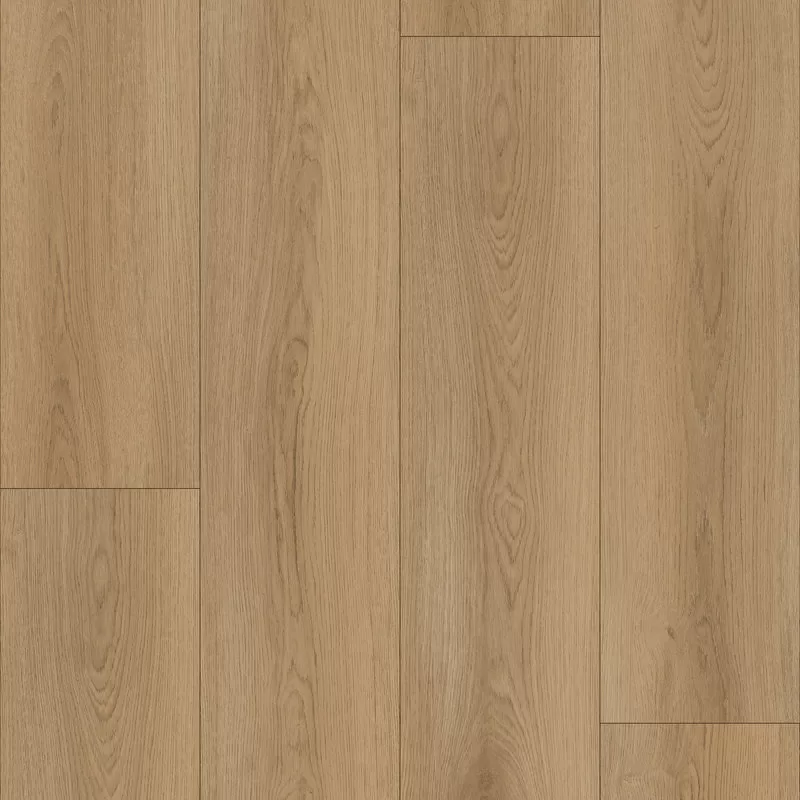
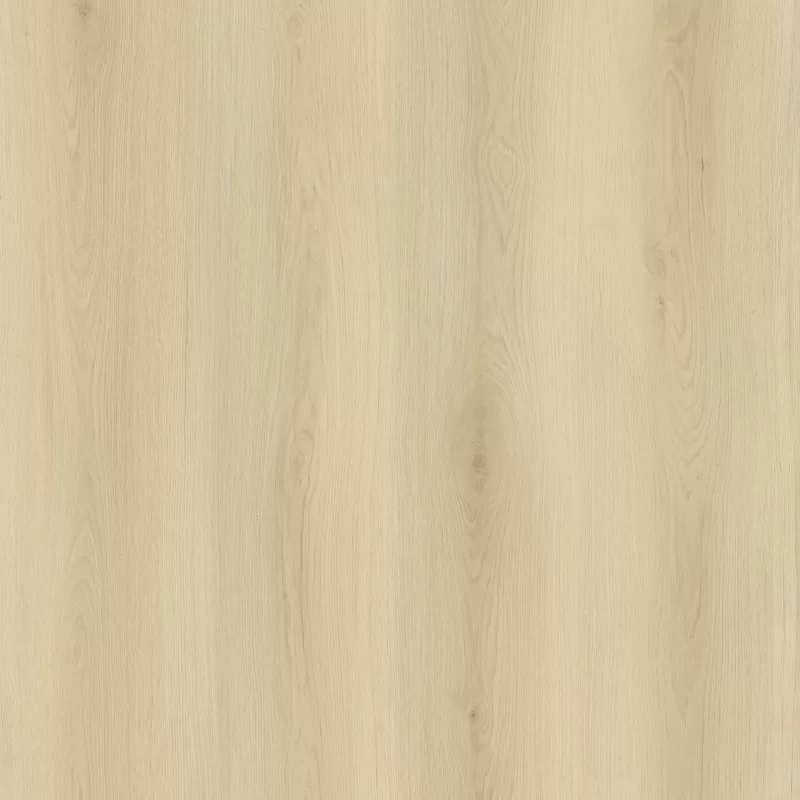
- Warm Wood Tones: Over the past two years, the flooring market in USA has seen significant shift from cool grays colors toward warm and inviting colors such as natural, beige, honey, caramel, amber, and light browns. This color selection is considered to create a cozy, organic, and natural feel for residential homes.
- Natural/Untreated Appearance: New design developments are made for patterns that features natural, raw wood with light color variations. A key feature with clean, natural grain patterns that offer a minimalist and natural aesthetics.
- Matte and Low-Sheen Finishes: High gloss vinyl planks are out of fashion and are replaced by more matte and satin surface finishes. The matte finish can effective provide a more natural, authentic wood appearance.
- Extra-Wide and Long Planks: Extra large planks are becoming popular as they create a sense of spaciousness with a more seamless, clean look with fewer grout lines. Vinyl planks with 9 inches width and 60″ or 72″ length are in high demand for 2026.
- Herringbone and Chevron Patterns: These geometric pattern styles are making a major comeback but in vinyl floorings. The herringbone and chevron vinyl planks provide a sense of luxurious yet with significant saving over parquets (hardwoods).
- Realistic Texture (EIR): Embossed-In-Register (EIR) technology, which allows the vinyl plank pattern design to have a surface texture that precisely matches with each other. It is essentially an upgrade that turn luxury vinyl tiles into the next premium level.
- Stone and Tile Looks: In addition to wood patterns, large-format SPC tiles with designs to look like natural stone, cement, and slate are trending for bathrooms and kitchens areas.
New Product Designs in Resilient Vinyl Floorings from Major Brands and Manufacturers
| Product / Project | Technical Description | Application Scenarios |
|---|---|---|
| Anti-slip Vinyl Flooring by LX Hausys Ltd. | Enhanced anti-slip performance through surface irregularities and reinforcement materials, providing superior dimensional stability in varying environmental conditions. | Inclined surfaces, wet areas, and high-traffic commercial spaces requiring safety and durability. |
| Thermostatic Heating Flooring by Sichuan Hengdi New Material Group Co., Ltd | The intelligent heating decorative material applied for in this patent has the characteristics of excellent thermal conductivity and dimensional stability, and can be used in floor heating. | Cold climate conditions requiring energy efficient floor heating solutions. Affordable installation and operate at low power use. |
| Resilient Plank Flooring by Shaw Industries Group, Inc. | Die punching and edge-processing technology that prevents fractures and allows minimal spacing during installation, improving overall floor appearance. | Residential and commercial spaces requiring easy installation and seamless appearance. |
| Resilient Locking Floor System by Välinge Innovation AB | Mechanical locking system with partial edge locking that reduces assembly force by up to 50%, enabling easier installation of PVC floorboards. | DIY installations and professional applications where quick, tool-assisted assembly is beneficial. |
| Cork-Enhanced Vinyl Floor Panels by Novalis Holdings Ltd | Polyvinyl chloride and cork granule blend throughout the middle layer, providing enhanced thermal insulation, resilience, and noise reduction. | Residential spaces and commercial environments where acoustic performance and comfort underfoot are priorities. |
| Encapsulated Fabric Vinyl Flooring by Armstrong Ceiling Solutions (Australia) Pty Ltd. | Integration of encapsulated scrim within vinyl structure that enhances recovery from deformations while maintaining visual design integrity. | High-traffic commercial areas requiring both aesthetic appeal and structural resilience. |