
As it is announced today (05/12/2025), the trade negotiation between the United States and China has met an agreeable point. Both the US and China will dramatically roll back their tariffs on each other’s imports for the initial 90 days. This announcement will come into effect by May, 14th, 2025 and the reciprocal tariff against China will go from 145% to 30%. A more positive outcome as the trade war de-escalates. But can supply chains and orders come back to China? The implications for the flooring businesses are still unclear.
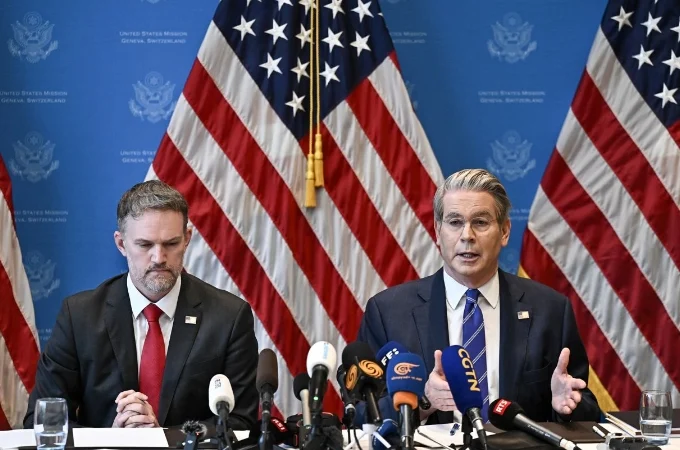
United States to Search for Solutions for More Balanced Trade
The US Treasury Secretary has commented that the US does not want to economically decouple from China but is seeking a more balanced trade deficit. As the trade-war tension de-escalates, more discussions and talks will be executed where better negotiations can be made.
Implications for Flooring Importers in United States
Since the initial reciprocal tariff was added on April 14th, flooring importers have been paying over 177% duty for resilient flooring products coming from China. This has tremendously impacted the flooring market, as flooring wholesalers and distributors are all forced to start sourcing their flooring products from other Asian countries. However, a supply chain transition would take up to 60 to 90 days, so it has a disruptive effect on supply chain efficiency and inventory.
As the reciprocal tariff has eased temporarily, flooring importers will have more time to explore alternative flooring manufacturers across Asia with easing supply chain uncertainties. Particularly with Domotex Asia coming up in May, the 26th to 28th, when many Asia-based resilient manufacturers will be participating.
How Much Duty to Pay as Reciprocal Tariff Tension Eased
| Section 301 Tariff | Reciprocal Tariff | Tax | Total Duty | |
|---|---|---|---|---|
| Importing LVT/SPC Flooring from China to the United States | 25% | 30% | 7% | 62% |
Continuous Diversification in Floor Sourcing Supply Chains
While the tariff and trade war situation between the US and China has seemed eased for now, there are still very much uncertainties in how the two power countries will resolve their trade differences. With such aspects in line, many flooring importers, including the mega brands, would still diversify their supply chains across Asia and Southeast Asia.
Exploring a diversified global supply chain in flooring
Over the past few years U.S.-based flooring importers have been seeking China alternative supply chains. This trend goes back as early as 2018, when the trade war was initially started. Many Chinese based factories started to invest in foreign production sites, and Southeast Asia was the first ideal choice, mainly due to distance. Then, as the time went on, more investment projects were made for South America, East Europe, and even Africa.
Will there still be any leverage from China?
Chinese flooring factories are facing increasing competition, not just among local producers but also internationally. With significant domestic and global condition challenges, Chinese LVT factories are pushing their cost of operations to the limit in order to provide better pricing and services. China’s flooring industry still operates at a scale no other countries can match; therefore, competitive leverage is still significant even under unfavorable conditions.
Hengdi Floor China for example, has the ability to fulfill orders with short leadtime. With a fully integrated supply chain ecosystem, Hengdi’s access to quality raw materials continues to provide effective cost solutions for LVT and SPC products. In addition, innovation for next-generation resilient flooring products remains to be available only in China.