
In the world of construction and sprucing up homes, SPC (Stone Polymer Composite) flooring shines. SPC Flooring is an excellent floor covering product that offers superior value in price and durability. However, as more and more factories starts to compete in the market, the flooring market place is flooded with all sorts of SPC floorings with different quality grades. Some factories produce not so good as they are using cheaper materials that later creates product quality risks. In essence, whether its product certifications or factory manufacturing management certifications, these certifications helps consumers to determine which products are more safer than others.
Therefore to make sure what you buy is a top-notch, durable, and safe, this is where SPC flooring factory certifications step in. They’re like gold stars, showing a factory cares about doing things right. This piece dives into the must-have certifications and rules for SPC flooring factories. Why they matter. How they make sure everything’s up to snuff from start to finish. Getting the lowdown on SPC flooring factory certifications? It helps you pick the best. You back factories that sweat the details, care about Mother Earth, and play fair. Going with certified stuff? It’s not just about getting a sweet floor. It’s about cheering on good business and a healthier world.
Really knowing your SPC flooring factory certifications? It lets you call the shots. Pick factories that are all about quality, being green, and doing things ethically. By getting wise to these certifications, you nail down a killer floor and give a thumbs-up to responsible manufacturing for a greener tomorrow.
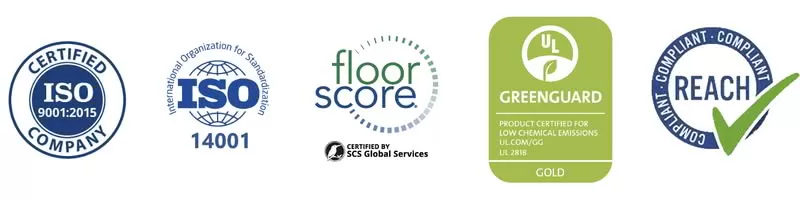
The Significance of SPC Flooring Factory Certifications
SPC flooring factory certifications? They’re not just stickers. They shout out that a factory’s serious about hitting the marks for quality, saving the planet, and being a good corporate citizen. Without these badges, figuring out who’s legit versus who’s cutting corners? Tough gig. Certifications bring clarity and build trust, so you know you’re making a solid choice.
These certifications slam the brakes on crummy products. SPC flooring without the right stamps? There are risks for heavy metals, toxic VoC, product breakages and more issues thats out of imagination. Choosing certified flooring products can help you dodge those bullets. Keep your investment safe and your space healthy. Certifications like FloorScore laser-focus on your breathing air, slashing yucky emissions that mess with your well-being. ISO 9001 certification? It’s your guarantee of a rock-solid quality system, so fewer things go wrong in the making of SPC floorings.
ISO 9001: Quality Management Systems and SPC Flooring
ISO 9001? It’s the world’s playbook for quality management. It hands companies a way to reliably crank out stuff and dish up services that tickle customers and keep the regulators happy. For SPC flooring factories, nabbing ISO 9001? It’s like planting a flag, saying, “Quality’s our jam,” from the moment raw stuff comes in to when your floor hits your doorstep.
To snag ISO 9001, an SPC flooring joint needs to build and run a quality system that nails key stuff: happy customers, strong leadership, smooth processes, and always getting better. The certification drill? A full-on audit by a real-deal certification squad. They kick the tires on the factory’s quality system against the ISO 9001 checklist. They peek at paperwork, chat with the crew, and watch the gears turn to make sure the system’s for real and always in play. A factory rocking ISO 9001? They’re all about keeping you smiling and constantly sharpening their game.
ISO 9001’s perks go beyond just keeping quality in check. A slick quality system greases the wheels, bins the waste, and keeps everyone talking. Picture this: a factory that eats up customer feedback and uses it to tweak their floors and service. They’re going to hog the customers and pull in new ones. A sturdy quality system also sniffs out trouble, dodging costly slip-ups and locking in consistent quality. One SPC flooring factory reported slashing defects by 15% and bumping up customer scores by 10% after going ISO 9001.
ISO 14001: Environmental Management Systems for SPC Flooring Factories
ISO 14001? It’s the world standard for keeping our planet happy. It’s a roadmap for outfits to dial down their impact, play by the green rules, and always look for ways to be kinder to Earth. For SPC flooring factories, scoring ISO 14001? It’s wearing their heart on their sleeve, showing they’re all in on protecting the environment and building sustainably.
Bagging ISO 14001 means an SPC flooring factory has to craft and keep an environmental system that hammers on the important bits: a green promise, knowing their impact, obeying the laws, and setting green goals. The certification gig? An audit by a certified crew who checks if the factory’s walking the walk. They dig through docs, quiz the staff, and watch the action to be sure the green system’s legit and always in use. ISO 14001 shows a company’s on a mission to shrink their footprint.
ISO 14001’s upsides are huge. By running a green system, SPC flooring joints can sip less from nature’s cup, toss less in the trash, and stop polluting. That means savings and smarter resource use. For example, a factory that recycles water? They slash bills and save a precious resource. ISO 14001 can buff up a company’s rep and tighten bonds with customers, regulators, and the local crew. A survey showed 70% of folks are more likely to buy from companies that are ISO 14001 certified. People want green stuff.
FloorScore Certification: Ensuring Indoor Air Quality in SPC Flooring
FloorScore certification? A tough, independent program that tests and stamps hard surface floors that play nice with indoor air. Cooked up by the Resilient Floor Covering Institute (RFCI) and Scientific Certification Systems (SCS), FloorScore makes sure floors hit the mark on emissions, meeting California Section 01350’s tough standards that are used in green building.
VOCs, or volatile organic compounds, are chemicals that things like floors can cough up. They mess with your air and your health. VOCs can spark headaches, breathing issues, and allergies. FloorScore says that SPC floors have been checked and spit out VOCs at levels that are safe inside. To ace FloorScore, SPC floors get put through the wringer by an SCS-approved lab. They stick the floors in chambers and measure the VOCs that float out. Floors that pass California’s test get the FloorScore badge. That badge tells you that you’re making a smarter choice for healthier air.
FloorScore’s perks are serious. By picking FloorScore certified floors, you effectively avoid nasty VOCs and can build a healthier spaces. FloorScore also helps you rack up points with green building programs like LEED (Leadership in Energy and Environmental Design). The EPA says we spend 90% of our time indoors. That makes air quality a huge deal. FloorScore floors are a step towards healthier, greener buildings. A study by California’s health department showed buildings with low-VOC floors had better air and fewer health complaints.
CE Marking: European Conformity for SPC Flooring
CE marking? It’s a must-have stamp for certain stuff sold in Europe. It shouts that a product hits the safety and environmental rules laid down by the EU. For SPC floors, CE marking says they’re good on fire safety, slip-resistance, and don’t leak nasty stuff.
To nab CE marking, SPC floor makers have to prove their floors hit the EU’s rules. That means fire tests (EN 13501-1), slip tests (EN 13893), and checking for dangerous stuff (EN 14041). They also have to write a performance report and slap the CE label on the product. CE marking tells folks the floor’s good to go in Europe.
CE marking’s a win-win. For makers, it unlocks Europe’s market. For shoppers, it’s a sign the product’s been checked and meets basic standards. CE marking also greases the wheels for trade by setting common rules. The European Commission says CE marking has boosted trade and growth in Europe.
REACH Compliance: Chemical Safety in SPC Flooring Manufacturing
REACH? It’s a European Union rulebook about chemicals. It’s all about shielding people and the planet from risky chemicals. REACH touches any chemical made or shipped into the EU in big amounts. For SPC flooring factories selling to Europe, REACH is a must.
REACH makes chemical makers register their stuff with the European Chemicals Agency (ECHA). That means sharing data on what’s in it, how it’s used, and any risks. ECHA sizes up the risks and can put limits on how it’s used. REACH also flags chemicals that are super scary and can mess you up big time. REACH wants to make sure chemicals are used safely from cradle to grave.
REACH’s perks are huge. It guards our health and the planet from chemical risks, cuts down on accidents, and pushes for safer stuff. REACH also makes European biz more competitive by setting a level playing field. The European Commission says REACH has curbed the use of nasty chemicals and made chemical stuff safer.
UL GREENGUARD Certification: Low Chemical Emissions in SPC Flooring
UL GREENGUARD Certification? It’s a program that stamps products that don’t cough up a lot of chemicals. It helps factories make stuff that keeps your air clean. The process means floors get locked in a room to measure the VOCs they spit out.
To ace UL GREENGUARD, SPC floors have to hit strict limits for VOCs, like formaldehyde and other nasty stuff. The program also makes factories get regular checkups to make sure they’re keeping quality high and emissions low. UL GREENGUARD is known and respected in the building materials industry and is often needed for LEED construction projects. A UL GREENGUARD certifications tells you that these SPC floorings has been tested and meet the environmental rules.
UL GREENGUARD’s upsides are clear. It helps make healthier spaces, cuts down on chemical risks, and backs green building. UL GREENGUARD floors can clean up your air, curb health complaints, and pump up productivity. The U.S. Green Building Council says buildings with UL GREENGUARD floors had better air and fewer VOCs.
Other Relevant Standards and Certifications for SPC Flooring
Besides the certifications we’ve chatted about, a few other stamps might matter for SPC flooring factories. These include:
- ASTM International Standards: ASTM International cooks up rules for all sorts of stuff. Several ASTM rules touch SPC floors, like tests for strength, fire, and slips.
- NSF International Standards: NSF International sets rules for food, water, and stuff we use. NSF stamps often bless stuff used in food plants, hospitals, and other sensitive spots.
- Green Building Labels: Green labels like LEED, Green Globes, and WELL give props to projects that use green stuff. SPC floors that hit the mark can boost a project’s green score.
By hunting down SPC floors that rock these stamps, you’re making smart choices for quality, safety, and being green.
Conclusion: The Importance of SPC Flooring Factory Certifications
SPC flooring factory certifications are key for making sure things are up to snuff on quality, safety, and the environment. ISO 9001? It’s your quality system. ISO 14001? It’s your green badge. FloorScore? It’s your clean air stamp. When you’re picking SPC floors, nail down stuff with these stamps for a safe, green, and responsible choice. These certifications lay the ground for good making, better stuff, and healthier spaces.