
As a flooring business, are you’re curious about how these good-looking quality vinyl flooring products came into the stores? The vinyl flooring industry has been around for more than a few decades, and it’s pretty interesting how vinyl planks are being manufactured. From the production process, combining some clever engineering with attention to detailed specifics. Essentially, all vinyl flooring is manufactured through a series of steps that layer different materials together to create a strong, stable, and attractive product. Here in this article, we will dive into how luxury vinyl planks are made in a factory.
The Backbone of Vinyl: Understanding the Manufacturing Process
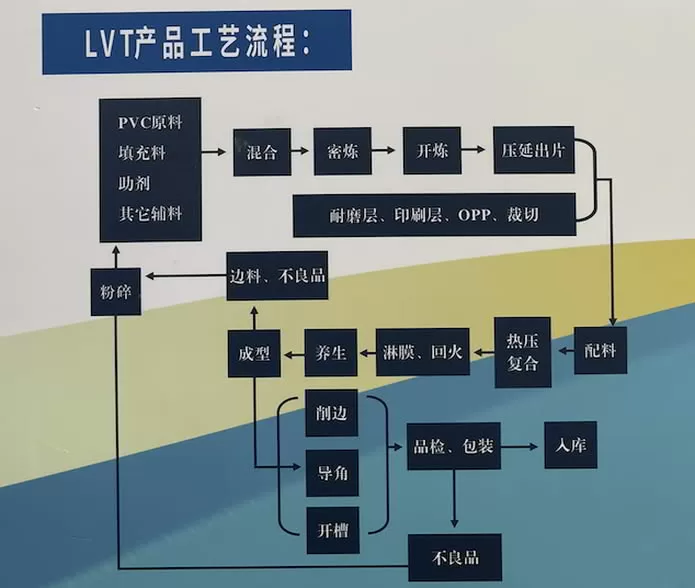
Think of vinyl flooring production as building a sandwich, but with specialized materials and a lot of high-tech equipment. It’s not just one single piece of vinyl; it’s a combined composite that built up layer by layer to achieve specific properties like design aesthetics, durability, and functions. By looking at each layer of the structure, we will understand how vinyl flooring came to be one of the top-selling floorings in the market.
The Base Layer: Stability and Strength
The foundation of most vinyl flooring, especially the more robust types, starts with a core material. For SPC (Stone Plastic Composite), this core is a blend of PVC (polyvinyl chloride), limestone powder, and stabilizers. This gives it incredible rigidity and makes it highly resistant to dents and damage. WPC (Waterproof Polymer Composite) uses a similar PVC composition formula but incorporates foaming technology, creating a more flexible and acoustic performance core. For any type of vinyl flooring, the core is crucial, as it sets the foundation for dimensional stability, meaning it won’t expand or contract much with changes in temperature or humidity.
The Print Layer: Bringing the Design to Life
This is where the magic of appearance happens. A high-resolution image of wood, stone, tile, or any other pattern is printed onto a thin PVC film. This printed film is then carefully laminated to the surface of the core layer. The quality of this print is paramount for the final look of the flooring, and manufacturers like Hengdi invest in high-quality decor films with leading decorative film printing suppliers to ensure vibrant, realistic designs can be delivered to the markets.
The Wear Layer: The Guardian of Your Floor
On top of the print layer sits the wear layer, a transparent protective layer. This layer is the frontline defense against scratches, scuffs, stains, and everyday wear and tear. In general, a thicker and higher-quality wear layer translates directly to a longer product lifespan and durable performance for the flooring.
The Top Coat: The Finishing Touch
This is often made from polyurethane or a similar resilient material, sometimes enhanced with special additives like ceramic beads or aluminum oxide. Sometimes, there are additional features or functions being added for extra protection or a specific finish, like a matte or high-gloss look. This final layer ensures the flooring not only looks great but also feels good underfoot and is easy to clean.
No Two Are Alike: Decoding WPC and SPC Vinyl Flooring
While both WPC and SPC fall under the umbrella of the resilient vinyl flooring category and share similar manufacturing principles, the difference in their core materials leads to distinct characteristics. Understanding these differences is key to choosing the right product for your needs.
Stone Plastic Composite (SPC): The Unyielding Champion
SPC flooring is known for its extreme rigidity. The dense core, made primarily from limestone powder and PVC, makes it highly resistant to impact and heavy foot traffic. This rigidity also means SPC is excellent at resisting dents and scratches, making it a popular choice for high-traffic areas like kitchens, bathrooms, and commercial spaces. Its inherent stability also means it can be installed over existing subfloors with fewer preparation concerns.
Waterproof Polymer Composite (WPC): The Balanced Performer
WPC, on the other hand, offers a slightly different balance. The inclusion of foaming in the core provides a bit more give, making it feel a touch softer underfoot compared to SPC. While WPC is also highly “water-resistant” and durable, it is generally not considered as dimensionally stable or as resistant to heavy impacts as SPC. However, the superior acoustic performance and embossing make it a more luxurious option for residentials where comfort and aesthetics are prioritized.
Keeping it Up to Snuff: Quality Control in Production
For any manufacturer, especially one as dedicated to innovation as Hengdi, quality control isn’t just a step; it’s woven into the entire production fabric. It ensures that every plank leaving the factory adheres to strict standards.
Raw Material Scrutiny
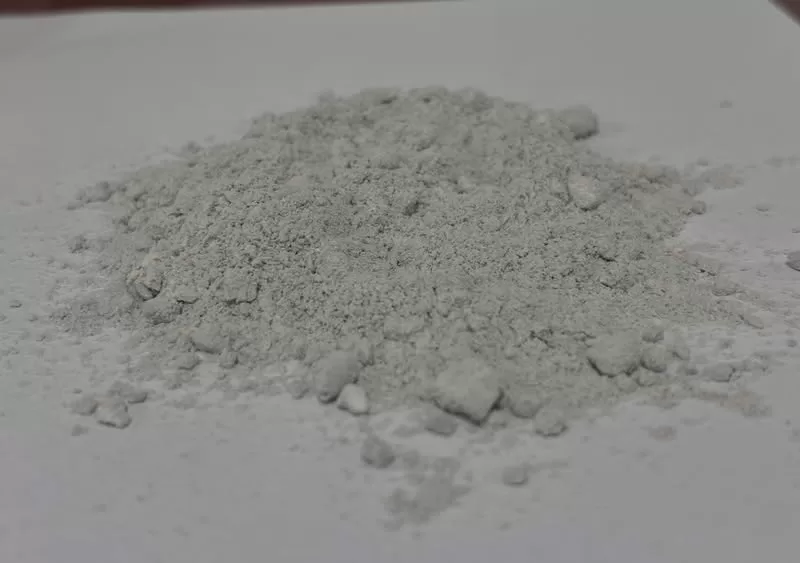
Before anything is mixed or processed, the raw materials are rigorously tested. This includes checking the purity of the PVC, the composition of the limestone or material VOC, and the quality of the additives. Consistent raw material quality is fundamental to consistent end-product quality.
In-Process Monitoring
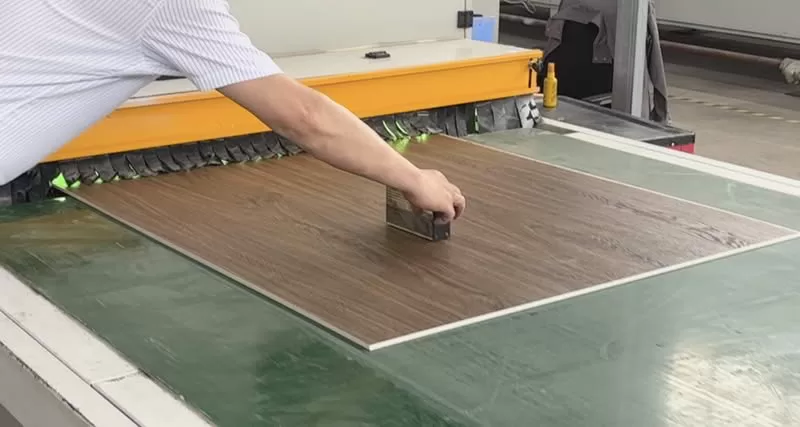
As the materials move through the various stages of production, sensors and our inspector staff keep a close eye on critical parameters. This might include temperature, pressure, and material flow rates during extrusion and pressing. Any deviation from the optimal settings is immediately flagged.
Finished Product Testing
Once the flooring is manufactured, it undergoes a battery of tests. These can include:
- Dimensional Stability Tests: To see how much the flooring expands or contracts under varying temperature and humidity conditions.
- Wear Resistance Tests: Simulating real-world use to measure how well the wear layer holds up against abrasion.
- Water Resistance Tests: Ensuring the product can withstand spills and moisture without damage.
- Color Fastness Tests: Checking that the printed design won’t fade over time, especially when exposed to light.
- Adhesion Tests: Verifying that the different layers are securely bonded together.
- Click Lock Strength Test: Test the strength of the locking system on pulling strength till it breaks.
Pushing the Envelope: Innovations in Manufacturing Technology
The vinyl flooring industry is constantly evolving, and manufacturers like Hengdi are at the forefront of adopting new technologies to improve both the product and the production process. This drive for innovation is what sets them apart.
| Technology | Advantages | Challenges |
|---|---|---|
| SPC for Underfloor Heating System | Significant dimensional stability in the SPC planks. The improved formulation and control enable Hengdi SPC products to withstand temperature changes even with subfloor heating. | The cost of manufacturing is higher. The increasing costs are associated with both formulation and reduced extrusion speed in production. |
| RTS 1 UV Coating with 38N | Superior micro-scratch resistance performance. | Slight increase in overall costs in UV solutions. |
| Multi-Function Ultra-Matte Coating Layer | High performance wear resistance, low gloss, and anti-cigarette burn performance. | Significant increase in product overall cost. |
| Polypropylene Formulation | A vinyl-free resilient flooring that can meet Red-List-Free criteria. | Polypropylene raw materials are significantly higher than PVC polymers. |
Advanced Extrusion Techniques
Modern extrusion machines are more precise than ever. They allow for tighter control over the density and composition of the core layer, leading to more consistent and higher-performing vinyl flooring products. Innovations here might involve multi-layer extrusion that can create even more complex and stronger core structures. Some examples of such include ABA structure where LVT layer, SPC layer, and another LVT layer is co-extruded and laminated together spontaneously.
High-Speed Printing and Embossing

The ability to print highly detailed and realistic patterns quickly and accurately is crucial. New printing technologies allow for a wider color gamut and sharper images. In conjunction with this, advanced embossing techniques can create surface textures that perfectly mimic the feel and look of natural wood grain or stone, adding another layer of realism.
The Science Behind the Shine: R&D’s Role in Quality
Research and development (R&D) is the engine room of innovation for companies like Hengdi. It’s where new ideas are explored, tested, and refined to create the next generation of vinyl flooring.
Material Science Exploration
R&D teams are constantly investigating new blends of polymers, fillers, and additives. This might involve finding more sustainable raw materials, developing wear layers that offer superior scratch resistance, or creating cores with enhanced acoustical or thermal properties. The goal is always to improve performance without compromising on the aesthetic appeal.
Currently for the vinyl flooring category, there is a mega trend to reduce waste, particularly with PVC-based compositions. The trend for next-generation resilient flooring involves with developing LVT, SPC, and WPC with non-PVC polymers such as polypropylene or PET plastics.
Process Optimization
Beyond the materials, R&D also focuses on refining the manufacturing processes themselves. This could mean finding ways to reduce energy consumption during production, speed up curing times, or minimize waste. Efficiency gains often translate to cost savings, which can benefit the end consumer.
The building material industries are now looking for building materials beyond just quality and performance. New considerations over the environmental impact from product manufacturing, its use during the product lifetime, and after the product’s end of life are all part of the new environmental sustainability measures.
Performance Enhancement
A significant part of R&D is dedicated to pushing the boundaries of what vinyl flooring can do. This might involve developing flooring that is even more waterproof, more resistant to UV fading, or has better fire retardant properties, all while maintaining its core benefits of durability and ease of installation.
Mindful Manufacturing: Environmental Considerations
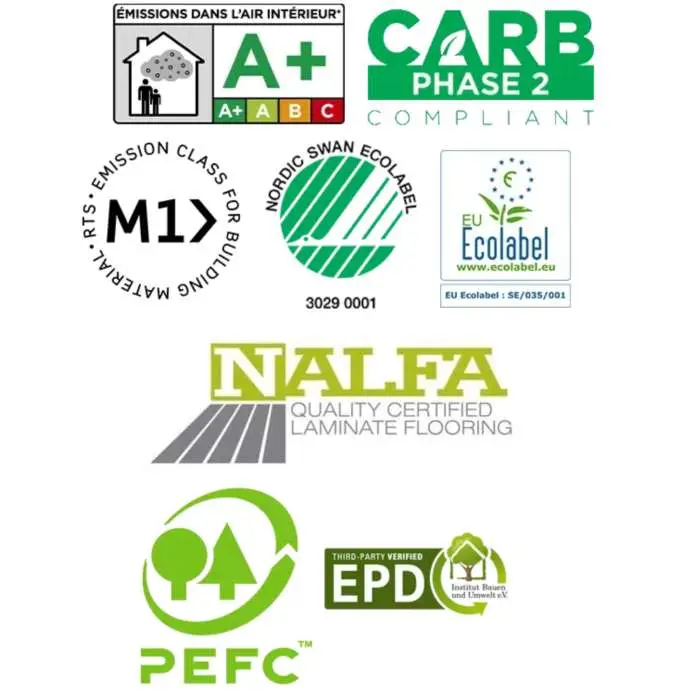
It’s not just about making a great product; it’s also about making it responsibly. Environmental consciousness is becoming a key part of manufacturing processes.
Sustainable Material Sourcing
As mentioned, R&D is exploring the use of recycled materials in the core or backing layers. Using post-consumer or post-industrial recycled content can significantly reduce the environmental footprint of the flooring. Additionally, responsible sourcing of virgin materials, such as ensuring that PVC production adheres to strict environmental regulations, is also a focus.
Energy Efficiency in Production
Factories are increasingly looking for ways to reduce their energy consumption. This can involve investing in more energy-efficient machinery, optimizing heating and cooling systems, and even exploring renewable energy sources to power their operations. Lower energy use means a lower carbon footprint.
Waste Reduction and Recycling
Minimizing waste during the manufacturing process is a key objective. This can involve optimizing cutting patterns for planks, recycling scrap material back into the production line, and implementing efficient waste management systems. The aim is to create a more circular economy within the factory.
The Horizon: Future Trends in WPC and SPC
The evolution of WPC and SPC flooring is far from over. Manufacturers are continuously looking ahead to what consumers and the industry will demand next.
Enhanced Performance Capabilities
We can expect to see even more robust versions of WPC and SPC. This might include flooring with superior sound insulation properties, enhanced fire resistance, or improved antimicrobial coatings. The focus will be on creating products that offer higher levels of functionality and safety.
Advanced Aesthetic Innovations
The pursuit of realism in design will continue. Expect to see even more sophisticated printing techniques capable of replicating intricate wood grains, exotic stones, and even unique textures. We might also see a rise in the use of textured embossing that truly mimics the feel of natural materials, making the flooring almost indistinguishable from its natural counterparts.
Greater Emphasis on Sustainability
The trend towards greener manufacturing and materials will undoubtedly accelerate. This will include more widespread use of recycled content, the development of bio-based binders, and further reductions in energy and water consumption during production. Consumers are increasingly making purchasing decisions based on environmental impact, and manufacturers are responding.
Smarter Installation Solutions
Innovations in click-locking systems and underlayment technologies will likely make WPC and SPC even easier for DIYers and professionals to install. This could include systems that offer better sound dampening or thermal insulation directly integrated into the click mechanism. The goal is always to make the flooring more accessible and user-friendly.
FAQs
1. What is the manufacturing process of vinyl flooring in a factory?
Vinyl flooring is manufactured and made in a factory using a process that involves mixing vinyl resins, plasticizers, and other additives to create a flexible and durable material. This material is then heated and extruded into sheets, which are then laminated with a design, protective layer, and embossing simultaneously.
2. What is the difference between WPC and SPC vinyl flooring?
WPC (Waterproof Polymer Composite) vinyl flooring is made with a core layer that uses foaming and co-extrusion techniques, while SPC (Stone Plastic Composite) vinyl flooring is made with a core layer that contains limestone and stabilizers. SPC flooring is generally more rigid and stable, while WPC flooring offers more cushioning and sound absorption.
3. What quality control measures are used in vinyl flooring production?
Quality control measures in vinyl flooring production include testing raw materials for consistency and quality, monitoring the manufacturing process for uniformity and durability, and conducting rigorous testing for factors such as wear resistance, impact resistance, and dimensional stability. Inspection gateways are established at each step of the manufacturing process to ensure immediate failure detection and consistent quality control.
4. What other innovations have been made in vinyl flooring manufacturing industry?
Innovations across the vinyl flooring industry include advancements in digital printing for more realistic designs, improvements in embossing techniques for texture, and the development of new installation systems for easier and more efficient installation.
5. What are the environmental considerations in vinyl flooring production?
Environmental considerations in vinyl flooring production include efforts to reduce energy consumption and waste, the use of recycled materials in production, and the development of eco-friendly manufacturing processes. Additionally, manufacturers are working to create more sustainable end-of-life options for vinyl flooring, such as recycling programs.