
This page examines China’s economic performance in the context of the Iran conflict, analysing both short-term strengths (strong exports and energy reserves) and long-term structural challenges (weak domestic consumption, property sector collapse, and deflation). Providing perspectives on whether China is genuinely positioned as a global economic winner or facing deeper vulnerabilities that could undermine future growth.
China’s Headline Performance and Geopolitical Positioning
China’s 2026 economy grew by 5% in the first quarter, exceeding expectations despite disruptions from the Iran conflict. This growth reflects strong export performance (exports surged 15% in January-February, though slowed to 2.5% in March) and robust industrial output (5.7% growth in March year-over-year).
Politically, China has positioned itself as a stable, mature superpower offering economic responsibility and multilateralism. This contrasts sharply with perceived US volatility, attracting diplomatic visits from leaders in Abu Dhabi, Spain, and Vietnam. However, political positioning does not translate to economic invulnerability and geopolitical gains may mask underlying fragility.
Key insight: The slowdown from 20% export growth (Jan-Feb) to 2.5% (March) signals that initial war-driven momentum is already weakening, suggesting headline numbers may overstate underlying resilience.
Energy Resilience: A Major Competitive Advantage
China possesses substantial insulation from energy shocks through multiple mechanisms:
- Renewable energy dominance: China controls > 70% of global solar and wind manufacturing capacity; generates 2.5 terawatts of solar and wind power
- Energy mix diversity: 20% of energy needs from wind and solar; 84% generated domestically
- Strategic reserves: 28 billion barrels of oil in the Daqing oil fields; maintains > 6 months of oil stockpile
- EV market penetration: 52% of new auto sales in 2025 are new energy vehicles (NEVs), primarily battery-powered
Over 40% of China’s oil imports transit the Strait of Hormuz, and Iran historically supplied ~15% of oil needs. Yet the combination of renewable capacity and strategic stockpiles substantially reduces vulnerability compared to energy-dependent economies like Japan and most European nations.
Practical consideration: While China’s energy position is genuinely strong, this advantage may be overstated—the material notes that prolonged energy shocks could still harm European and Asian demand, directly impacting Chinese exports. Energy insulation protects the domestic economy but cannot fully insulate from global demand destruction.
Long-Term Structural Vulnerabilities
The material identifies four critical weaknesses that predate the Iran conflict:
| Challenge | Description | Impact |
|---|---|---|
| Real Estate Collapse | Property sector crashed in 2020; trillions in household wealth lost; prices remain unstable | Reduced consumer wealth and construction-driven growth |
| Deflation | Persistent downward price pressure from high supply and weak domestic demand | Businesses struggle, salaries decrease, vicious cycle deepens |
| Local Government Debt | Trillions in accumulated liabilities; debt repayment pressure intensifies as growth slows | Fiscal constraints on stimulus and infrastructure investment |
| Weak Domestic Consumption | Retail sales growth slowed to 1.7% in March; consumers reluctant to spend despite $20 trillion in savings | Over-reliance on exports; economy less resilient to external shocks |
These problems are not caused by the Iran war but are being exacerbated by rising energy costs and heightened geopolitical uncertainty.
Critical debate point: Experts disagree on severity. One perspective argues these are manageable within China’s technological strength and export diversification; another contends they reflect a fundamental imbalance where Chinese households receive an insufficient share of GDP to sustain consumption-led growth.
The Consumption Paradox: Why Chinese Households Won’t Spend
Despite possessing $20 trillion in savings, Chinese households are suppressing consumption. The material presents competing explanations:
Geopolitical anxiety interpretation: Chinese consumers fear US containment policies, perceiving economic vulnerability due to sanctions, trade restrictions (e.g., Huawei’s market share collapse from 35% to 4% post-Trump sanctions), and reduced foreign direct investment (-40% over six years). This creates precautionary saving behavior.
Structural inequality interpretation: The fundamental issue is income distribution. The Communist Party prioritizes production over consumption to accumulate capital; households receive a smaller share of GDP than in capitalist economies. This structural constraint cannot be overcome by geopolitical détente alone.
Government acknowledgment: China’s 15th Five-Year Plan explicitly targets increased consumption, signaling recognition that the export-dependent model is unsustainable long-term.
Key tension: The material does not resolve whether weak consumption is primarily cyclical (geopolitical fear, temporary) or structural (income distribution, permanent). This distinction is crucial for assessing China’s long-term trajectory.
Export Diversification and Trade Resilience
China has reduced dependency on any single market:
- Two-thirds of world countries now have China as their primary trading partner
- The US share of Chinese exports has declined, though it remains significant
- China trades with essentially all nations globally
This diversification provides genuine resilience—losing one market hurts less than historically. However, the material notes a critical constraint: if a prolonged energy crisis destroys demand across Europe and Asia simultaneously, diversification offers limited protection.
Exam-critical insight: Diversification across markets ≠ immunity to global demand shocks. China remains vulnerable to synchronized worldwide recessions.
Currency and Geopolitical Strategy
The material notes that Iran has charged Strait of Hormuz tolls partially in Chinese yuan, fueling speculation about “de-dollarization” efforts. However, experts note:
- Chinese-Iranian oil pricing has been denominated in renminbi since 2018 sanctions
- There is minimal realistic chance the renminbi will displace the US dollar as a reserve currency
- The shift reflects Iran’s limited options (selling 80-90% of oil to China) rather than a coordinated currency strategy
Nuance: While China and Iran may prefer renminbi transactions, this reflects practical necessity rather than a grand geopolitical pivot away from dollar dominance.
Competing Interpretations of China’s Economic Model
The material reveals fundamental disagreement among experts:
| Perspective | Position | Logic |
|---|---|---|
| Resilience View | China is technologically strong and will sustain robust growth | Technological sophistication, manufacturing complexity, and export diversity provide durable competitive advantage |
| Vulnerability View | Structural imbalances are being masked by temporary advantages | Domestic consumption weakness, debt accumulation, and deflation are unsustainable; energy insulation is temporary |
| Development Stage View | China is following the successful model of South Korea and Singapore | High production + suppressed consumption is normal during development; China is doing “everything right” |
Each perspective contains validity. The material does not adjudicate definitively but suggests that time horizon matters greatly: China’s near-term (1-2 years) resilience is credible; long-term sustainability (5+ years) depends on consumption rebalancing success.
The Reliability Question: Geopolitical Implications
As Trump and Xi prepare for a meeting, the material highlights a perception shift: China is increasingly viewed as the more reliable economic partner by global publics. This reflects:
- Perceived stability and multilateralist rhetoric from Beijing
- Volatility and unpredictability attributed to US leadership
- “Do nothing, win” strategy—China’s restraint during the Iran crisis contrasts with US polarization
Critical caveat: Perception does not equal fundamental economic strength. China’s image advantage is real but fragile; it depends on continued geopolitical restraint and avoiding domestic crisis visibility.
Summary for exam preparation: China appears economically resilient in the short term due to energy reserves, renewable dominance, and export diversification. However, this masks serious long-term vulnerabilities in the property sector, domestic consumption, and deflationary pressures. The economy is well-positioned to weather the Iran crisis but remains exposed to synchronised global demand shocks. Success over the next 5-10 years depends critically on whether China can rebalance toward domestic consumption—an outcome that structural factors (income distribution, Communist Party incentives) may actively resist.
Implications for the Flooring Industry
The Iran war that is currently going on has significantly impacted the global oil prices. With increasing energy costs all round globally, shipping price and manufacturing expensive are both on the rise. In addition, with the weakening of USD currency against CNY, it is obvious that the overall cost of importing materials will increase. Manufacturers and flooring brands are forced to increase their prices, and the overall flooring market will likely to face a tightening market.
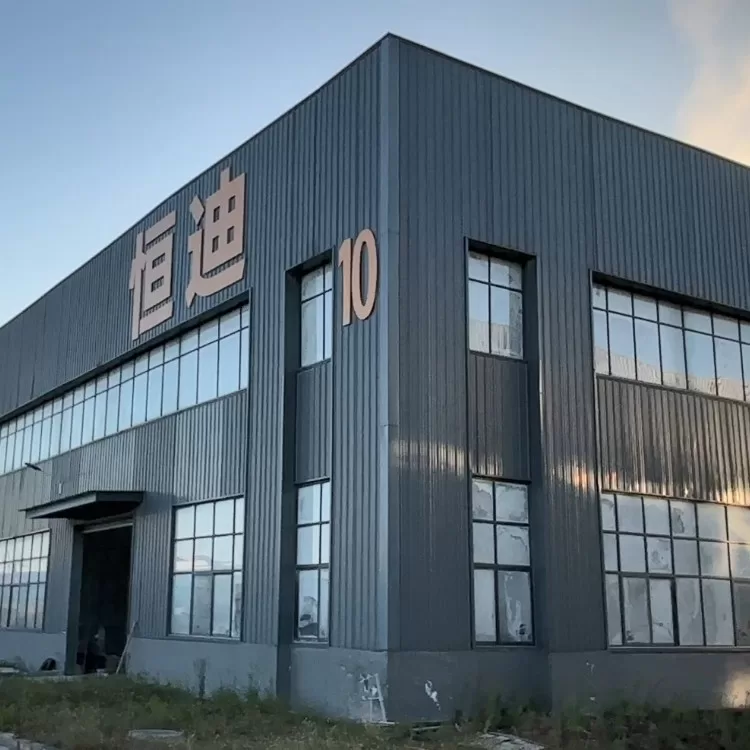
As a professional vinyl flooring manufacturer, Hengdi considers LVT and SPC products a low risk product in the market. As overall expenses are increased all around, inexpensive flooring options will provide a more budget friendly solutions for constructions and housing projects. So while the over all flooring market will face growth challenges, LVT and SPC categories will likely to growth in favourable to tighten economy conditions.
Increasing Need to Direct Purchase Floorings from China
With tighten economy conditions, there is more rationals to direct import and purchase floorings from factories in China. Flooring distributors has an incentive to maintain business profitability, and when market demands are diminishing, it is an essential strategy for flooring businesses to buy floorings directly from original manufacturers to maintain its competitiveness.
Exploring Hengdi as a Leading Supplier in LVT / SPC Floorings
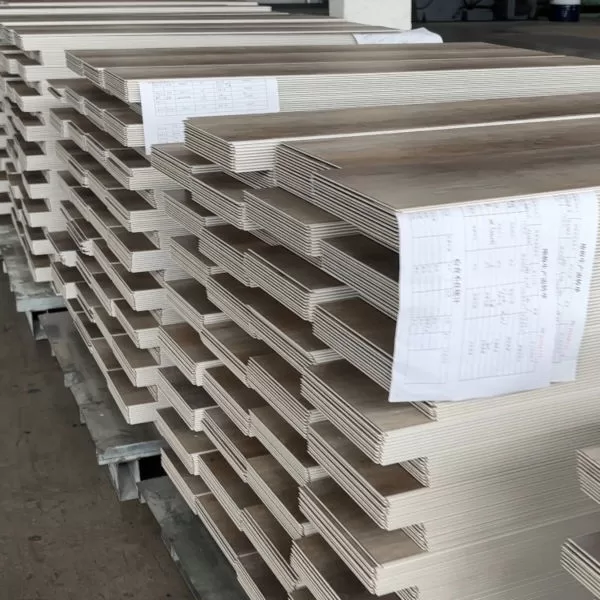
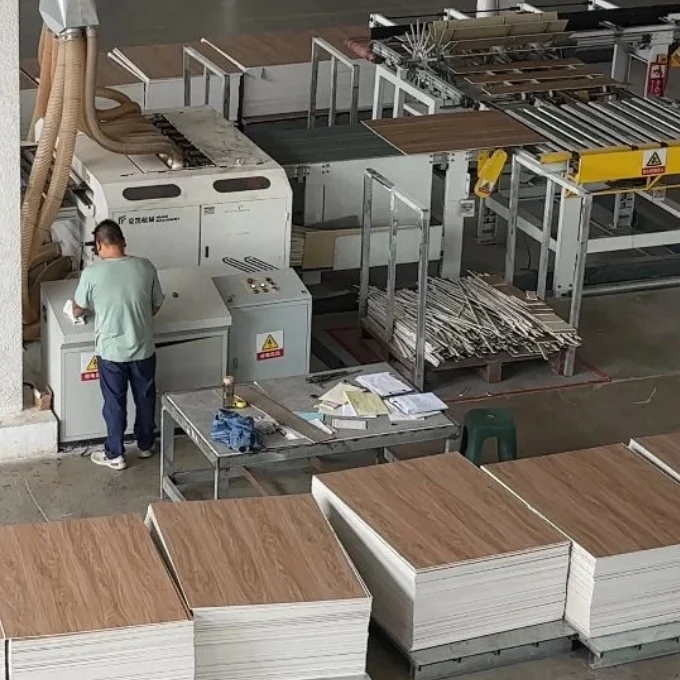
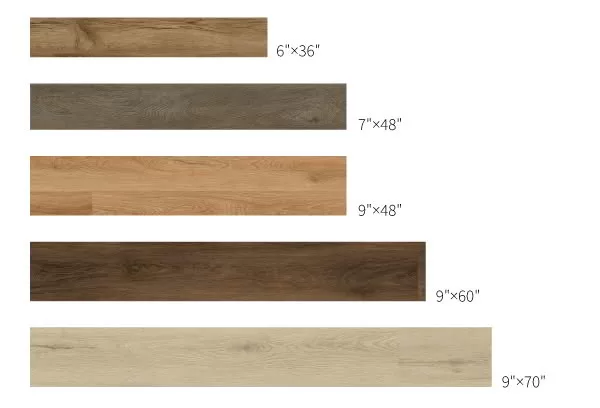
Hengdi Flooring provide a comprehensive range of LVT / SPC Flooring products. With fully customized solutions in manufacturing, we offer different product specifications in our vinyl flooring products, all in accordance to customer requirements.
Further Reading
China’s Economy: The Full Picture by Al Jazeera English on Youtube;